
Breadboards are great and easy to understand. You just insert your components, make the proper connection with jumper cables, and you will find out if your prototype is working.
When I was young, I decommissioned a few old computers and scraped their parts. From that moment, I had several IDE (PATA) cables lying around, which became useless as the world changed to SATA.
Each cable had three 40-pin connectors where you could also put components and cables just as into a breadboard. So, three connections per conductor were possible, which is enough for a simple circuit. One just needs to consider that the connections are spread across the different connectors.
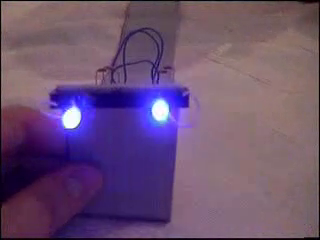
As an example, I built a simple astable multivibrator. 2 LEDs, 2 capacitors, and 4 resistors. For me, it is still cool to see it working. You can watch the video on 🌐https://youtu.be/IJvuE0jPLGc
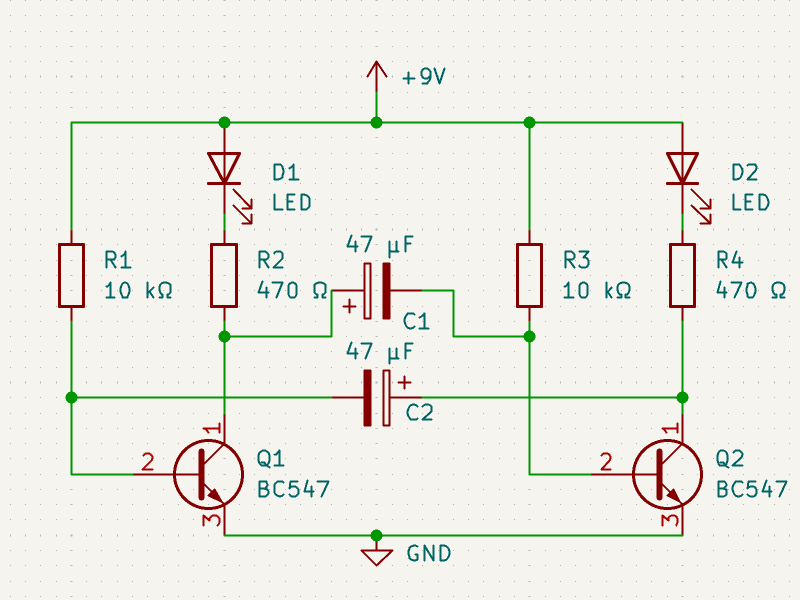
By the way, the original video was captured on the 5th. July 2003, so it is already historic. I was happy when I found these old files on my archive hard drive again.
